



An Employee-Driven Future: How Europe is Leading the Future of Work
Unlocking Student Potential with On-Demand Academic Support: Why We’re Proud to Partner with Paper

Product-Led Growth (PLG) CRMs Emerge: Mapping the Market and Our 2022 Predictions
Doubling Down on the Future of Digital Asset Infrastructure: Why We’re Excited to Lead Blockdaemon’s Series C
The last 12 months have been a blockbuster year for crypto with BTC surpassing $1T in market cap for the first time, Ethereum launching EIP-1559 to prepare for the migration to proof-of-stake consensus and the establishment of the first U.S. future-based BTC ETF.
Despite the recent market volatility, we believe increasing institutional demand from large financial services firms (e.g., banks, asset managers, fintechs) and publicly traded companies (e.g., Meta, Google, Visa) is a testament to the long-term staying power of the digital asset class. At the same time, the growing appetite for crypto requires enterprise-grade infrastructure to enable secure, compliant and scalable participation in Web3/DeFi.
That’s why we at Sapphire continue to be excited about Blockdaemon. We joined the Blockdaemon journey at their Series B round last September–impressed by the highly performant infrastructure that Blockdaemon was building to enable market participants to transact, stake and earn via nodes.
Since then, the company has continued to cement its position as the de facto institutional staking and node management platform, scaling to support 50+ blockchain networks across 70+ global points of presence, and adding an impressive roster of customers like Voyager, Uphold and Anchorage across the largest global exchanges, custodians, investors and financial institutions.
For all these reasons and more, we’re thrilled to once again back Founder & CEO Konstantin Richter, and the entire team at Blockdaemon, to co-lead their $207M Series C.

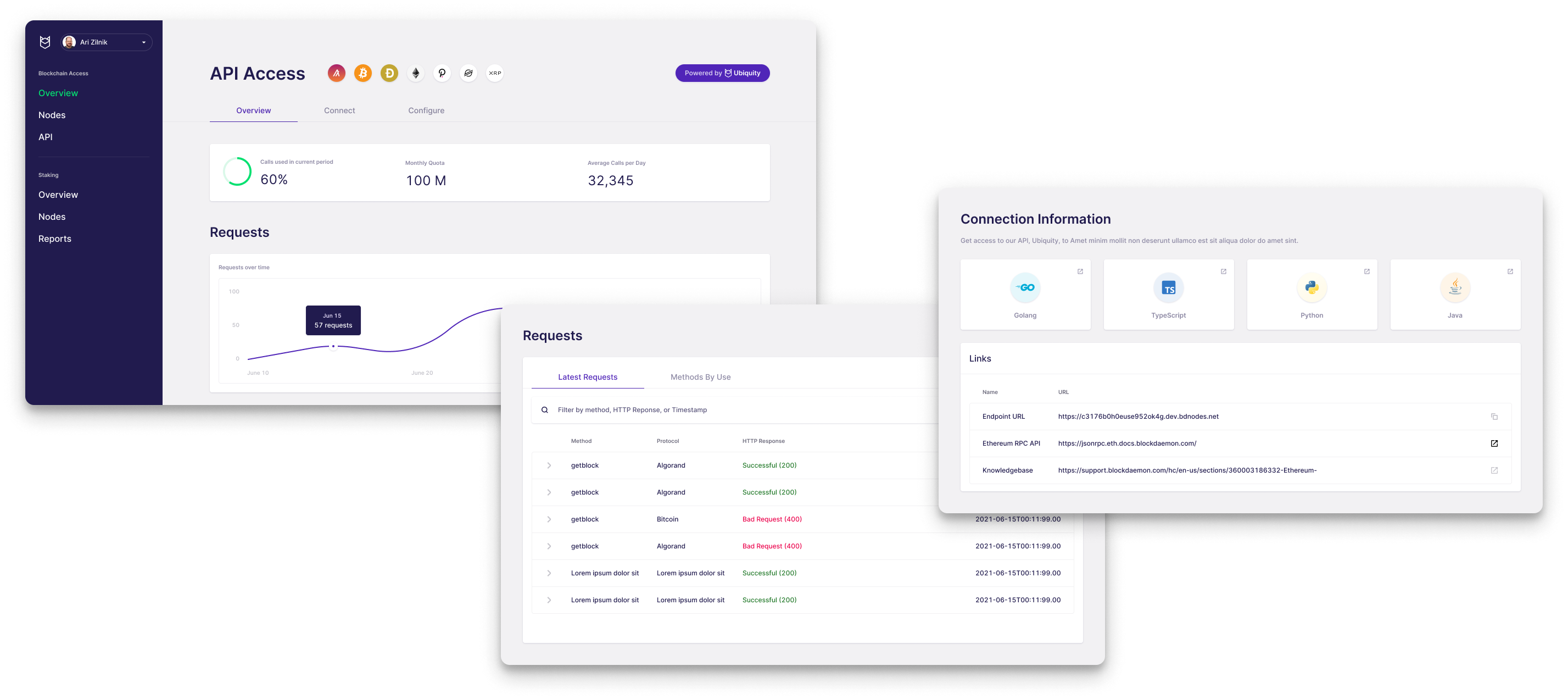
CEO & Founder, Blockdaemon
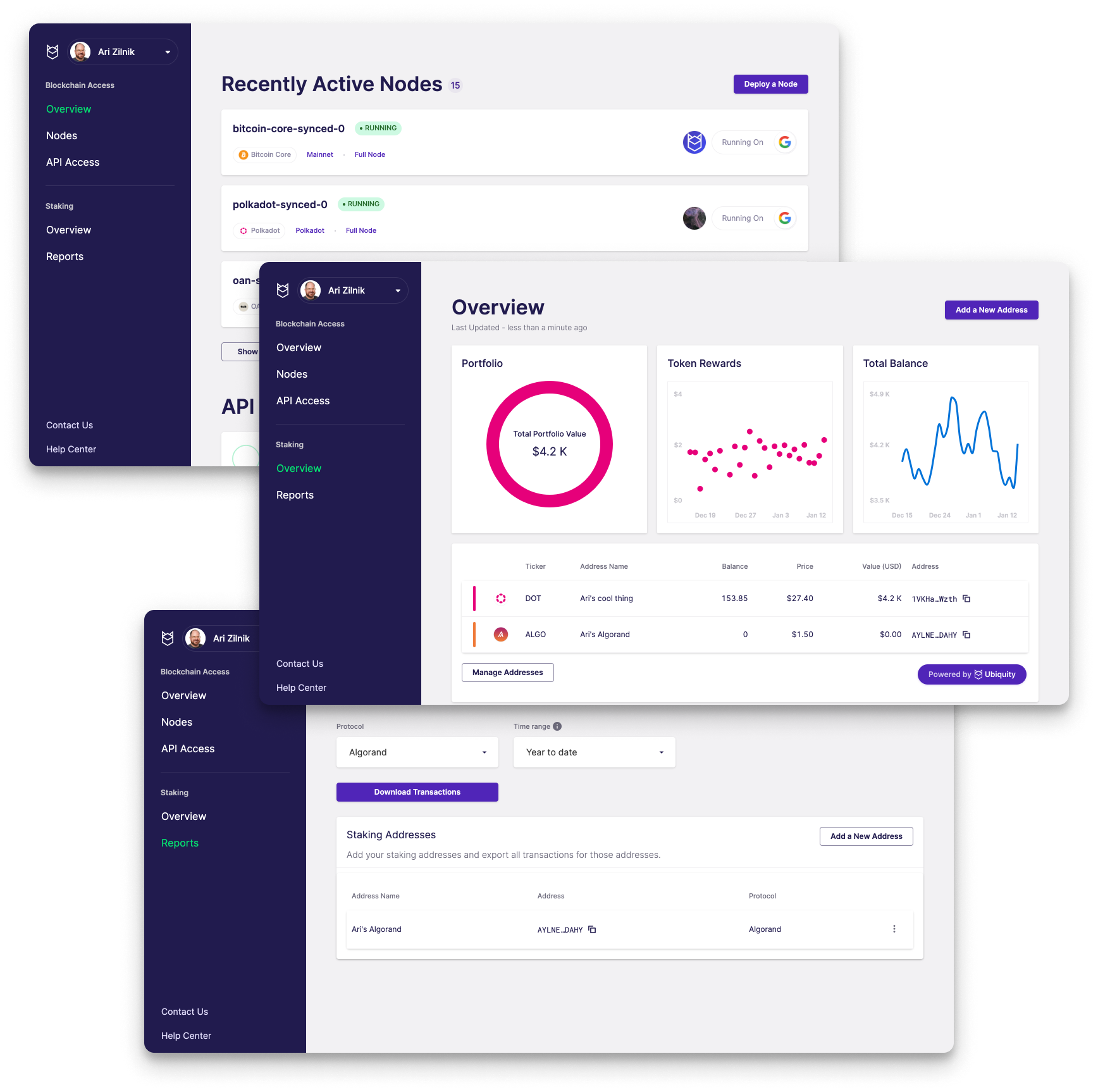
Konstantin continues to excel in his vision towards building a ‘one stop shop’ for crypto yield generation, enabling institutional clients to access wide range of blockchain services (e.g., transaction nodes, staking, liquidity options, custodial APIs and high availability clusters) through a single interface. He has also attracted 10x talent during an exceptionally challenging hiring environment, fostering a culture of innovation and excellence.
We look forward to seeing Konstantin propel Blockdaemon into its next phases of hyper-growth as the company launches institutional-grade liquid staking, engages in strategic acquisitions and establishes a DeFi fund to support broader ecosystem growth.
At Sapphire, we seek to partner with companies of consequence that are truly visionary, disrupting the status quo and building creative solutions to foundational problems. Blockdaemon is doing both–creating the fundamental infrastructure to enable widespread institutional access to DeFi within a secure and compliant framework. We are excited for what lies ahead for the Blockdaemon team and are thrilled to be partners along their growth journey.
Special thanks to Jason Brooke who has been deeply analyzing the crypto space and greatly contributed to the development of this blog.
Captivating Revenue Teams with Transparent Sales Commissions: Why We’re Excited to Partner with CaptivateIQ
At Sapphire we’ve always been bullish on sales and finance software, which is why we recently partnered with 6sense, Chargebee and FloQast. Our years of experience in the space leads us to believe that CaptivateIQ is onto something special with its mission to make commissions a breeze for both sales and finance teams.
Equally as impressive is the founding team. There is no replacement for having had the chance to see Conway in action while at Gusto, getting to know Mark personally over dinner or strategizing about the business with the founding team late into the night. We would jump at any opportunity to work with co-founders Mark, Conway and Hubert, and are excited to partner with them and the entire CaptivateIQ team as they build modern sales commissions software.
A One of a Kind Product to Run Sales Commissions
Today, the majority of companies continue to run their commissions processes on spreadsheets. But all of that is changing. CaptivateIQ is a dedicated commissions software product that is revolutionizing how finance and operations teams model, automate and optimize incentive compensation for sales reps. Attractive to companies of all sizes, CapitivateIQ is easy to implement, provides a familiar spreadsheet-like UI and automates the manual aspects of the commissions workflow.
CaptivateIQ combines the best of spreadsheets and modern software to bring the commission process into the 21st century. The spreadsheet-like UI and syntax helps customers feel right at home from the very first time they use the product.
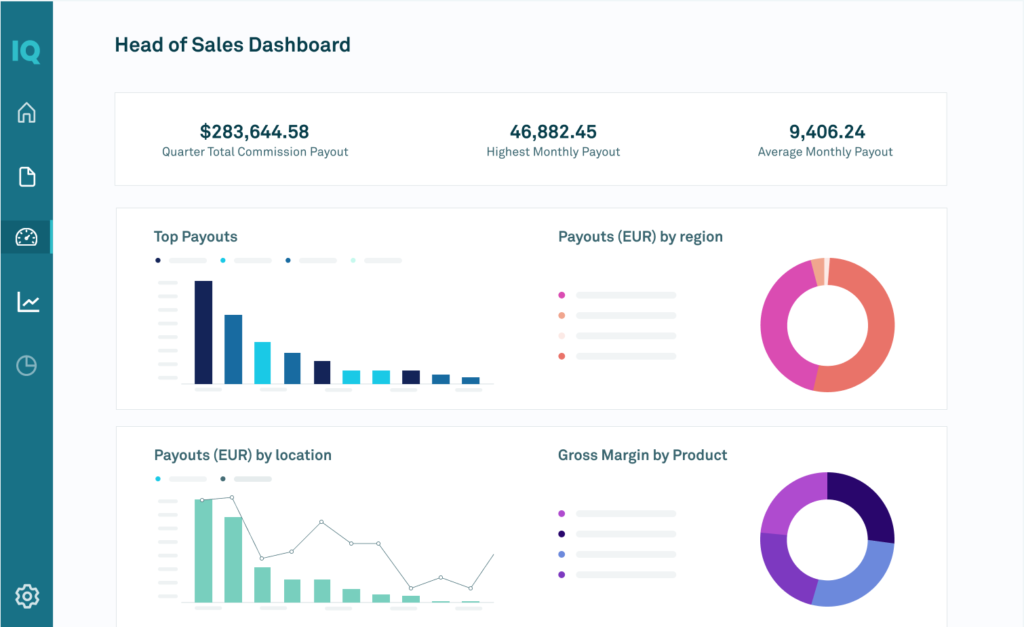
Calculating commissions involves several manual and time-consuming steps. Knowing this, CaptivateIQ built a product that’s automated right from the data entry step through integrations to key systems such as CRMs, accounting software, HR software, data warehouses and so on. In addition, CaptivateIQ offers customizable dashboards that provide a view into company-wide commissions, as well as individual dashboards that can be shared with sales reps so they can get back to closing deals instead of wasting time tracking their own commissions.
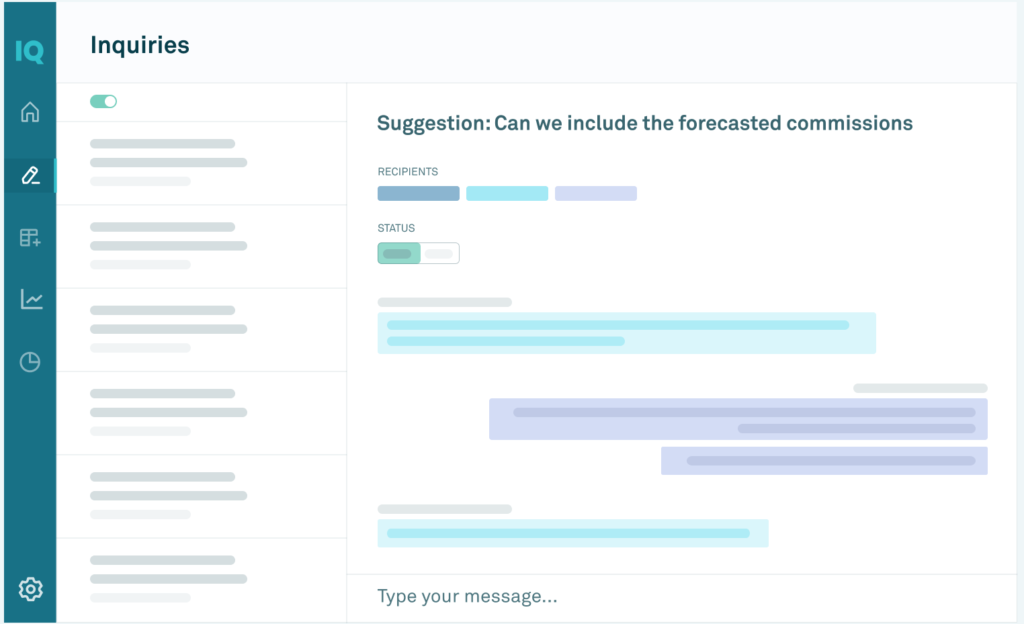
We believe sales commission software is a multi-billion dollar market ripe for the taking and CaptivateIQ is in pole position to do so driven by the company’s focus on ease of use and workflow automation. What gets us even more excited is the founding team’s long-term vision and roadmap to take on other manual processes in sales and finance that can be significantly improved with software.
Founding Team with First-Hand Experience & Unique Insights
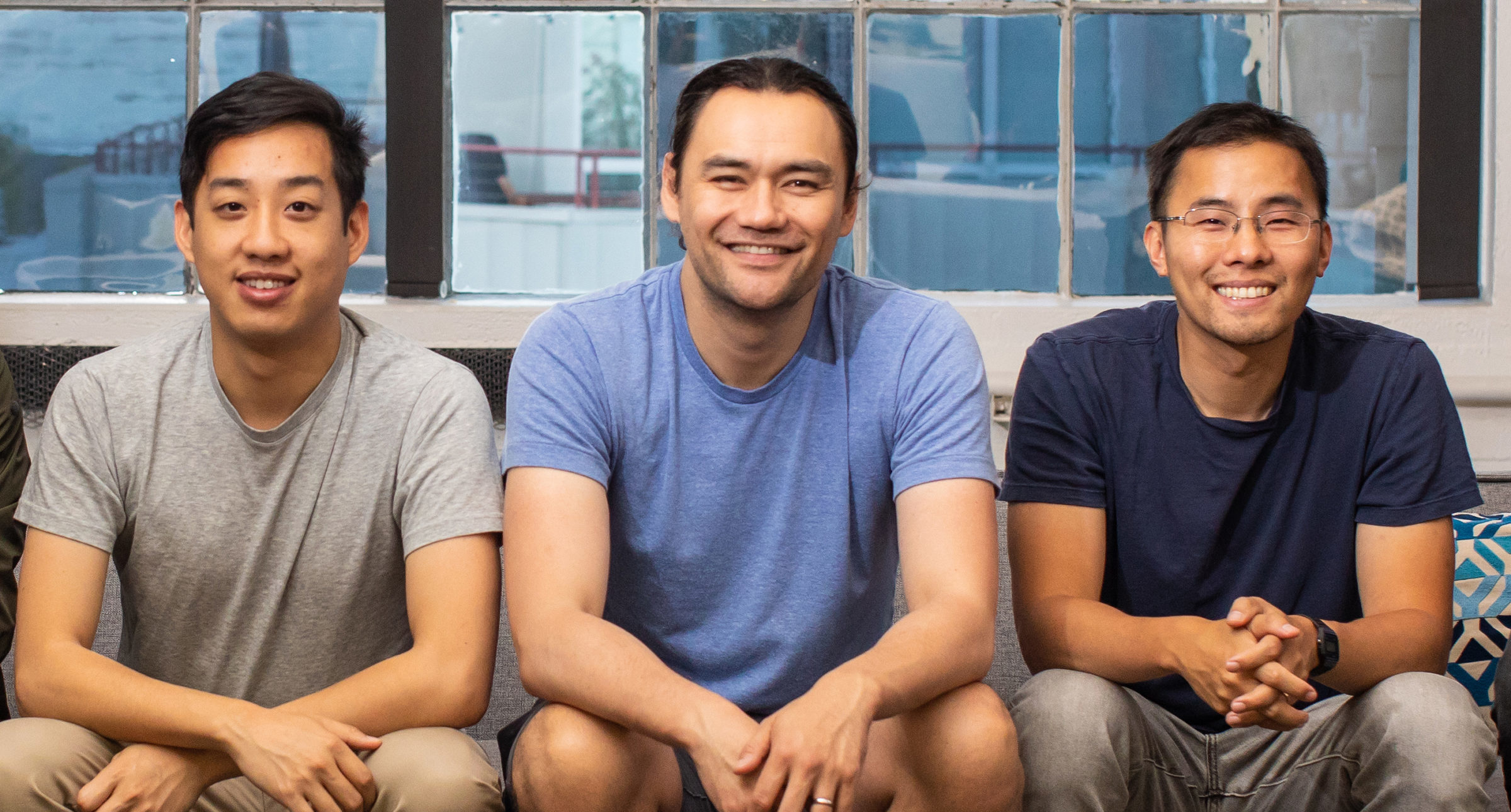
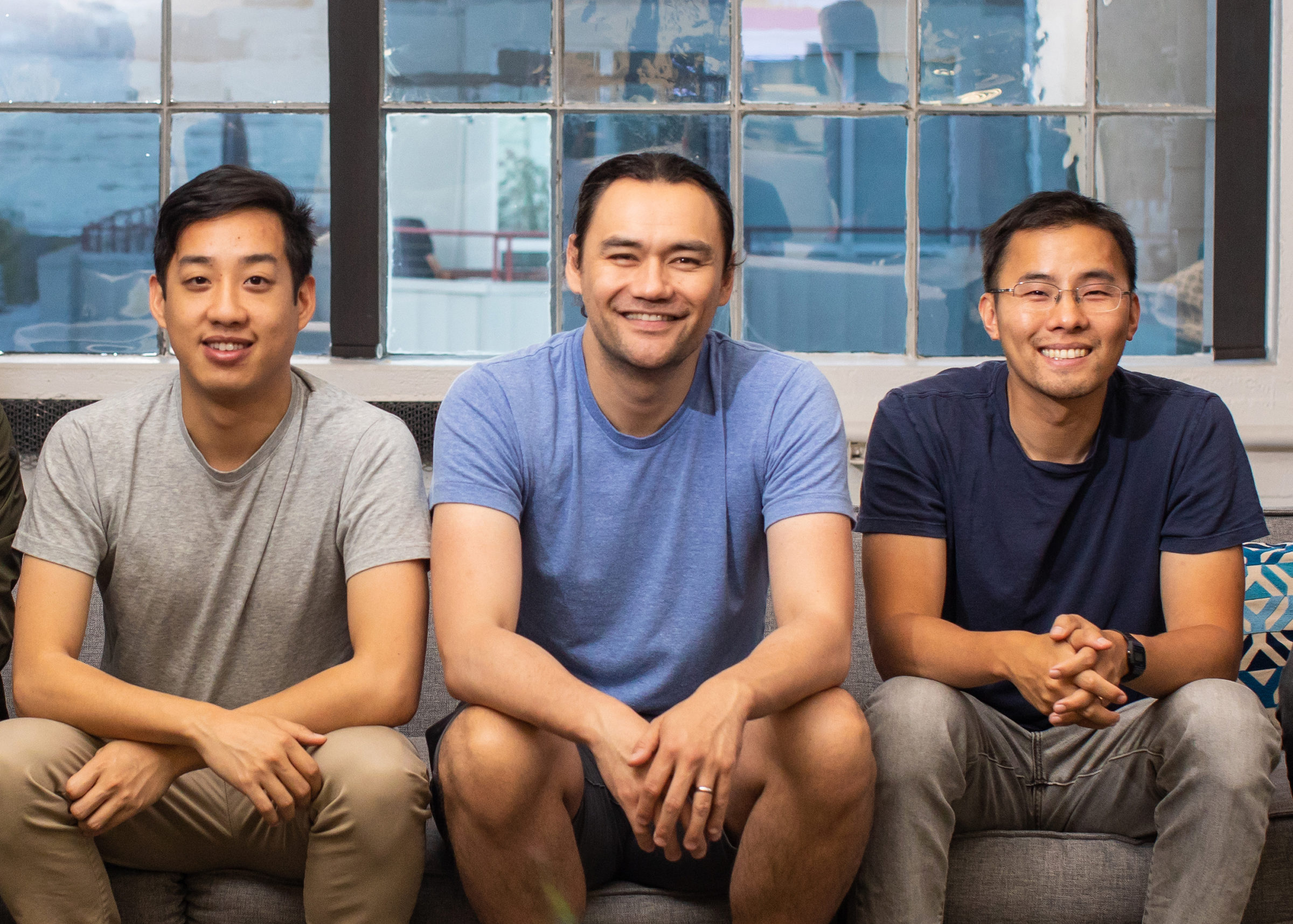
CTO Hubert Wong, co-CEO Mark Schopmeyer and co-CEO Conway Teng
Co-founders Mark, Conway and Hubert have known each other for well over a decade–since their time as students at UC Berkeley. Their vision to build a modern sales compensation platform comes from first-hand experience using spreadsheets and antiquated software to manage sales compensation in their previous roles.
The founding team’s unique understanding of user needs led to several instinctive product decisions that have paid off, and as a result, have set CaptivateIQ on the path to becoming a dominant player in sales compensation management.
We are thrilled to partner with Mark, Conway, Hubert and the entire CaptivateIQ team! You can learn more about the CaptivateIQ platform here or if you’re interested in joining a hyperscaling company, see a list of open roles here.

Top 6 European Enterprise Technology Trends to Watch in 2022
As we reflect on another year and think about what’s to come, it’s easy to see that a lot has occurred in a small amount of time. The pandemic took center stage, but the technology industry also leapt to the challenge of digital innovation in a big way. As a result, we’ve seen companies transform (sometimes forcibly) more quickly than before.
As the Vice President of Business Development for Sapphire based in London, I have the unique opportunity to engage with decision-makers at several European enterprises. Our recent conversations have surveyed the strategic outlook of 2022. Where will CxOs be focusing their efforts? How will the enterprise landscape evolve? And what are the biggest opportunities this year?
Coming out of discussions with leaders at companies such as Redbull, Shell and Pearson, below are what I believe to be the top 6 technology trends for European enterprises in 2022.
The Distributed Enterprise is Here to Stay

With the pandemic continuing on and new variants arising, “returning to the office” has been continuously pushed back. As more of the workforce adjusts to hybrid work, and more people become comfortable with a fully remote lifestyle, European enterprises have been forced to adapt.
Unlike the U.S., Europe is a tightly bound patchwork of countries, cultures, and languages that all rely on strong connectivity. And with a unique geography comes unique challenges. Incorporating an enterprise in every region employees chose to work meant figuring out legal employment requirements, HR benefits, local bank accounts and a myriad of other region-specific laws and regulations across Europe. As the pandemic hopefully slows in 2022, employees will return to the office, but with the infrastructure to support employees across countries now in place, remote work is here to stay.
The Great Job Vacancy Will Create a New Tech Industry
Europe is sharing the U.S. woe of the Great Resignation, albeit with a different flavor. Where Americans saw their final stimulus checks, Europeans saw an end to furlough schemes.
This, coupled with other pandemic measures, led many to seek new careers. Fast forward to today, and job vacancies in the UK have doubled since the summer to 3.5M while EU job vacancies matched their highest percent in the last decade.
Hiring will continue to be a challenge in 2022. Skilled workers with industry-specific knowledge will be a hot commodity, and the burgeoning European startup scene (which saw a record of over €100B in funding) will only create more demand for high-growth companies. Enterprises, which once relied on stability as a key benefit, will have to take a page out of the startup playbook and innovate on their core value.
CxOs Prioritize ESG
Over the last decade, Corporate Social Responsibility (CSR) was widely used to define a company’s “social and environmental concerns.” But in the last year, a new term, Environmental, Social and Governance (ESG) has entered the limelight. ESG gained traction as companies began to consider social and environmental concerns core to their businesses, and not as ancillary protection. Looking forward to 2022, ESG topics like sustainability will become central to business operations. How can a company achieve net-zero? What are diversity and inclusion hiring standards? How are we handling data privacy?
In addition, European executives shared that ESG assessments will extend to the vendors they choose to do business with.
87% of CIOs interviewed reported a direct link between their ESG and technology strategies.
Reviews of vendor ESG practices will provide coverage for companies aiming to reach milestones in this arena. Vendors that don’t have their ESG principles and roadmap fully defined will face uncertain renewal.
Cloud Will Finally Reign in Europe
In the past, European executives have struggled with the regulations, privacy and data-sovereignty issues that come with cloud migrations–creating more barriers to entry than their U.S. counterparts. However, as the pandemic accelerated digital transformation efforts for companies, leaders became more comfortable with a cloud-based model. As 2022 unfolds, enterprises will move more services to the cloud as real-time analytics, big data and AI solutions mature.
It won’t be easy though. European enterprises are notoriously privacy-focused (just look at GDPR). The move to cloud has not done away with issues like data sovereignty, user rights and corporate governance–all of which will loom over the innovative enterprise. Add in the proliferation of data-based solutions, biased algorithms and Schrems II and the CIO of 2022 will have a particularly fine line to toe.
The Low Code/No Code Revolution

Low code/no code platforms provide any employee the ability to customize software to their needs with little to no programming training. But the low code/no code revolution has not been as quick to take hold in the big enterprises of Europe. In 2022, that is set to change. A move to the cloud, a shortage of technical talent and a hunger for digital innovation will fuel enterprises to pursue low code/no code solutions that can bridge the programming skills gap in the European enterprise.
However, low code/no code has a major pitfall for enterprises: a potential increase in technical debt. Giving every employee to program and customize their software creates a number of unchecked digital solutions that often leave IT out of the picture. Not only is this expected to increase the tech debt for around 60% of European businesses due to lack of regular maintenance, but it also increases the surface area for security breaches, and threatens to silo data that enterprises spent the past decade to free. The way forward means finding the equilibrium sought by many CIOs: a thoughtful IT strategy that works closely with business knowledge workers for a lockstep approach.
Cybersecurity Remains a Top Imperative
2021 has seen some of the biggest attacks on enterprises ever seen. From Colonial Pipeline to JBS USA, ransomware attacks dominated the cybersecurity conversation in 2021.
According to our 3rd annual CIO Innovation Index, CIOs and CISOs have indicated that in 2022, the largest chunk of their spending will revolve around cybersecurity.
We also learned that Managed Service Providers (MSPs) like Kaseya are a prime target with their 1:many IT structure. As MSP use in Europe is expected to double in the next 5 years, attacking the right MSP can provide an attacker with a larger impact surface.
It’s no wonder that cybersecurity will remain a top priority for the majority of organizations in 2022, especially with the rise of the “shift left” approach, which emphasizes focusing on quality at earlier stages of the build cycle. I expect an expansion of Developer Security Tools (“DevSecOps”) solutions, such as Sapphire’s latest security investment GitGuardian, that makes security a consideration earlier on.
A Few Notable Mentions
A lot of fresh thinking emerged in 2021. Some innovations didn’t make the top 6 list, but I’d be remiss to not give a few of them a nod. In my talks with European executives, these were all secondary concerns to the above, though repeatedly mentioned:
Web3 – Blockchain, as a technology, is relatively direct. A system of recording information in a way that makes it difficult or impossible to change, hack or cheat the system. What has been built from the concept, though, is anything but direct. From cryptocurrencies to NFTs to DAOs, more of the world is starting to exist on a distributed ledger. This progression from “Web2” to “Web3” could mean a future with a decentralized internet.
The Metaverse Goes Mainstream – The Metaverse has started to take shape over the past year, then entered the mainstream when Facebook announced its name change to Meta. From fashion to real estate, we’re starting to see a real rise to this new platform. This means a myriad of opportunities for commerce and consumers, with companies, individuals and governments thinking about how they’ll utilize and regulate the virtual universe.
A Resolution to the Chip Shortage – The chip shortage was a result of a snowball effect. From the pandemic to trade wars, enough factors collided, causing a global stoppage in chip production. 2022 will bring the invisible hand, correcting the microprocessor industry and a return to “normal.” Giants like Nvidia and Intel will continue to work with governments to increase the supply and find a way forward.
A Future of Innovation and Adaptation

The last two years have been anything but boring. No matter where we live or what we do for a living, we have all had to adapt to new ways of working, parenting, learning and existing. The same can be said about businesses, and as we gradually find a new normal, we’ll rely on the insights, skills, technologies and relationships that we have built during these unusual times.
While nothing is certain in 2022, I certainly believe that innovation and emerging technologies will be at the heart of enterprise CxO strategies as they solve a growing number of challenges in the year ahead and beyond.

The Sapphire Future Six: 2022 Predictions for the Future of Work
The way we work has been completely redefined over the past two years as the impact of COVID-19 roiled the global labor markets. From hiring freezes to large-scale layoffs, and now a major labor market squeeze, companies have been forced to keep up with the rapid rate of change in today’s workforce. To thrive in last year’s labor market where a record 38 million Americans quit their jobs according to Business Insider, leaders are increasingly turning to technology to hire faster and better, as well as improve employee retention and happiness.
At Sapphire, we believe we had a front-row seat to this monumental shift in the future of work. We backed Paradox, Gem, SWORD Health, Unmind, BetterUp and Degreed in 2021 as we built conviction that startups helping employers find and retain the best talent will be poised to perform strongly in the long term. After all, what is a company but an aggregate of its people?
As 2022 is just starting to unfold, we’ve identified 6 key trends we believe will define the Future of Work:
Transforming the Candidate Experience with the Power of Conversational AI: Why We’re Excited to Partner with Paradox
In a tight labor market, employers need to pull out all the stops to wow their top candidates. To differentiate themselves, employers must be thoughtful about the candidate experience. But that’s easier said than done. Recruiting teams are stretched thin, and simply can’t engage with every single candidate that visits their career site.
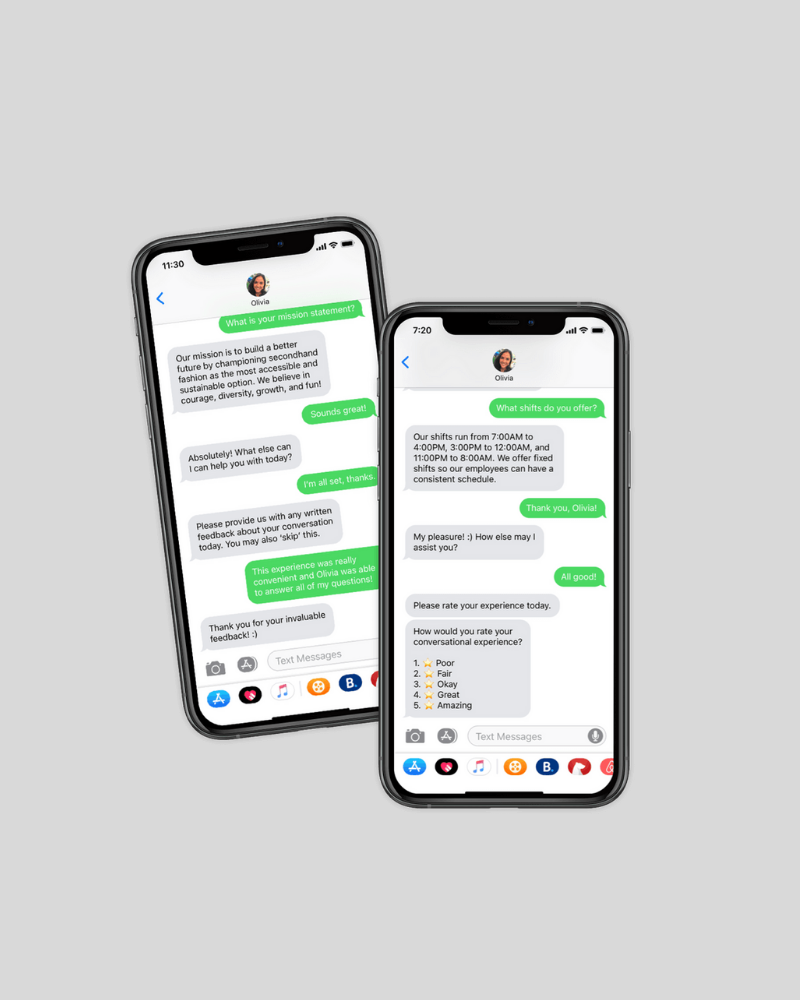
Fortunately, conversational AI technology has evolved to the point where intelligent, automated assistants can provide real-time responses to candidate FAQs, help candidates find and apply to jobs that fit their preferences, automate interview scheduling and much more. Thanks to modern technology, employers can now deliver a personalized candidate experience 24/7, while also removing the burden of administrative tasks from recruiting teams.
The confluence of labor market trends and advancements in conversational AI technology has created a unique opportunity for companies to develop solutions that appeal to candidates and that help recruiting teams be more productive. Today, we’re thrilled to share that we are co-leading Paradox’s Series C, to enable the company scale its solutions to even more businesses around the world. At Sapphire, we’re passionate about companies defining the future of work, and our investment in Paradox follows our recent investments in Gem and Degreed–two companies that are also giving employers new tools to attract and retain employees.
Automating Recruiting One Step at a Time
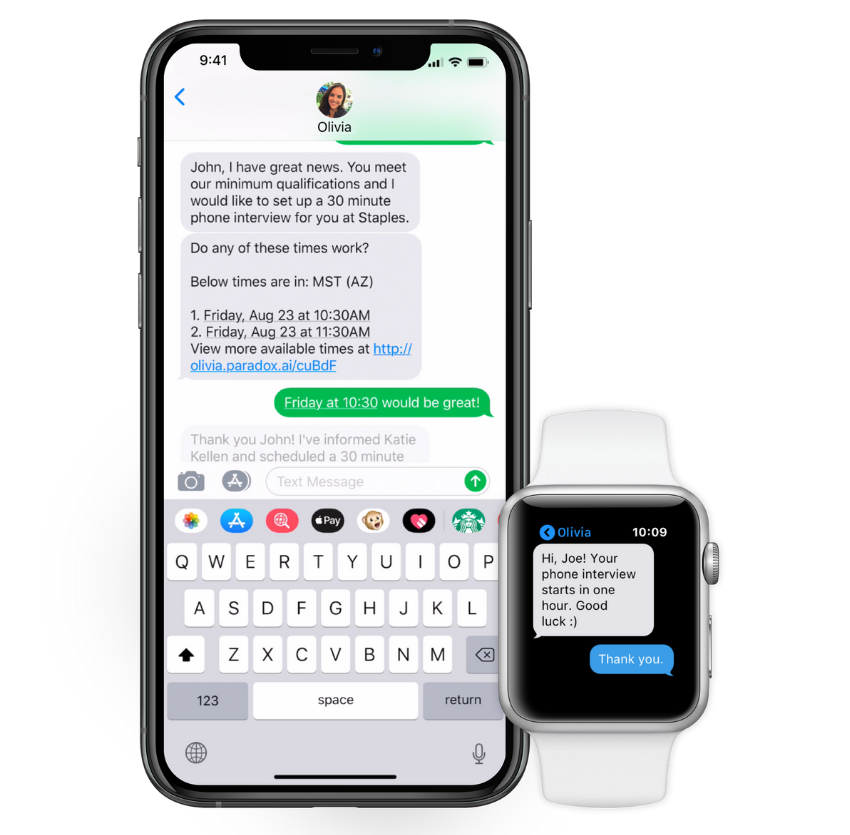
It’s hard to believe, but most recruiters spend 80% of their time on administrative work and only 20% on engaging with candidates. Paradox has emerged to help address this issue by providing a conversational AI platform that automates a number of aspects of the recruiting process, and improves the overall hiring experience for candidates.
Paradox’s AI assistant, dubbed “Olivia,” lives on career sites or can engage candidates on any mobile messaging platform (SMS, WhatsApp, Facebook Messenger, and more), and uses advanced NLP to respond to candidate questions, guide candidates to open and relevant job postings, enable candidates to apply through the chat interface, screen candidate responses and schedule interviews as appropriate.
In addition to its candidate-facing functionality, Paradox provides recruiting teams with access to a central command center where they can monitor Olivia’s conversations with prospective candidates in real-time and even step in as needed.
Exceptional Product Trusted by Blue-Chip Customers
Paradox is unique in that the product can be used for both high-volume, hourly worker recruiting, as well as high-skill professional recruiting. Recruiting hourly workers is extremely difficult, especially in the current tight labor market. Employers need to act quickly when candidates are interested in job opportunities. That’s why companies like McDonald’s, Lowe’s, CVS Health, and Wendy’s use Paradox. Paradox makes the recruiting process mobile-friendly and shortens the hiring process from weeks to days.
Given its success working with such marquee customers, Paradox has successfully packaged its products into an end-to-end recruiting solution called Hire, which can be used in place of traditional ATS’ for hourly worker recruiting. McDonald’s recently shared the dramatic results it has seen with Paradox’s Hire product (lovingly referred to as “McHire”) across thousands of franchises in the US and Canada.
When it comes to high-skill professional recruiting, companies like Unilever, General Motors, and Nestle use Paradox’s AI assistant to engage candidates, answer questions about company culture, share relevant job opportunities, automate interview scheduling, deliver rich employer brand content and even collect feedback on the hiring process. This helps recruiting teams deliver a high-touch concierge experience that will leave a lasting impression on candidates, while freeing up recruiters to focus on the most strategic aspects of their role.
Don’t just take our word for it. Paradox customers love its products. As we did our market research customers shared that they couldn’t imagine doing their jobs without Olivia. Customers praised Paradox for creating an AI assistant that sounds so much like a human to the extent that candidates couldn’t tell the difference. In addition, because Paradox’s solution automates the recruiting process, customers saw strong ROI typically measured through a significant reduction in time-to-hire. Finally, customers praised Paradox for being a solution-oriented vendor and true partner in helping them modernize their recruiting operations.
A Founder With A Life-Long Dedication to Simplifying Recruiting

Paradox’s Founder & CEO, Aaron Matos, stands out for his dedication to the HR profession. Early on, Aaron showed a deep passion for HR. He studied Human Resources in college and spent the early part of his career as an HR professional before becoming an entrepreneur building companies like Jobing.com and Recruiting.com with the singular goal of making recruiting easier for both candidates and recruiters. Paradox builds on his decades of experience in the recruiting industry, identifying and solving the challenges that candidates and businesses face when seeking a job or hiring for a role respectively.
Ultimately, building a company is a team sport and we have been impressed by Aaron’s ability to attract experienced executives and board members from organizations like SAP, Workday, Taleo and Blackbaud. We are thrilled to partner with Aaron and the entire Paradox team! If you are interested in learning more about what Paradox offers you can find more here. Paradox is also hiring here.
Digital Accessibility Series, Part 3: Vendor Landscape
This is the third and final post in this digital accessibility series. Part 1 was an introduction to digital accessibility and why it is important. Part 2 detailed how to get started with digital accessibility. This post will cover the current state of the digital accessibility market, as well as the emerging technology landscape, highlighting vendors that offer products and services that make the accessible web a reality.
Digital Accessibility: A Category 20 Years in the Making
Judging by the dates when some of the first vendors emerged, the market for digital accessibility products and services is at least two decades old. For those 20+ years, and even up to the very present moment, digital accessibility has been the domain of “innovators” – a small number of vendors, customers and practitioners that caught on to the importance of digital accessibility well ahead of their peers. While awareness of digital accessibility is not yet widespread, the category is accelerating, garnering more and more attention and adoption. The rising tide is lifting all boats – existing vendors are experiencing faster growth than ever before and new entrants are catching the wave at just the right time.
While the market for digital accessibility experienced growth pre-COVID, the pandemic was a shot in the arm for the category as every business was forced to shift its customer interactions online. In this April-2021 article, market research firm Forrester reported that when the pandemic struck, it saw a “significant uptick in inquiries related to accessibility, mostly from companies getting serious about accessibility for the first time.” The hard shift online in 2020 also exposed the inaccessible state of most websites leading to a record-breaking year for digital accessibility lawsuits with 3,550 cases in all (roughly 10 lawsuits per day).
Just a few months ago, Gartner released its first market guide for digital accessibility, which will serve as a starting point for many technology decision makers looking for insights into the digital accessibility market. While it will take several years for the market to mature to a point where every company has a top-down digital accessibility program in place, in the meantime, designers and developers are taking matters into their own hands and tackling the issue in their own corners of the web. According to a Forrester survey, 84% of companies are now working to achieve digital accessibility. The majority of these efforts, 48% to be exact, are being driven by grassroots initiatives while 36% have top-down sponsorship.
Finally, both Forrester and Gartner highlight that blue-chip clientele, like the largest companies, nonprofits and educational institutions, increasingly expect their vendors to demonstrate a commitment to digital accessibility and comply with the latest WCAG standards. As a result, billions of dollars are expected to shift towards technology and services vendors that are nimble enough to adopt digital accessibility best practices ahead of their competition.
Part 2 of this series already detailed how to get started with digital accessibility. The section below will conclude the series with an overview of digital accessibility vendors, many of them emerging technology companies, that provide products and services required to set up and maintain an enduring digital accessibility program.
Digital Accessibility Vendor Landscape
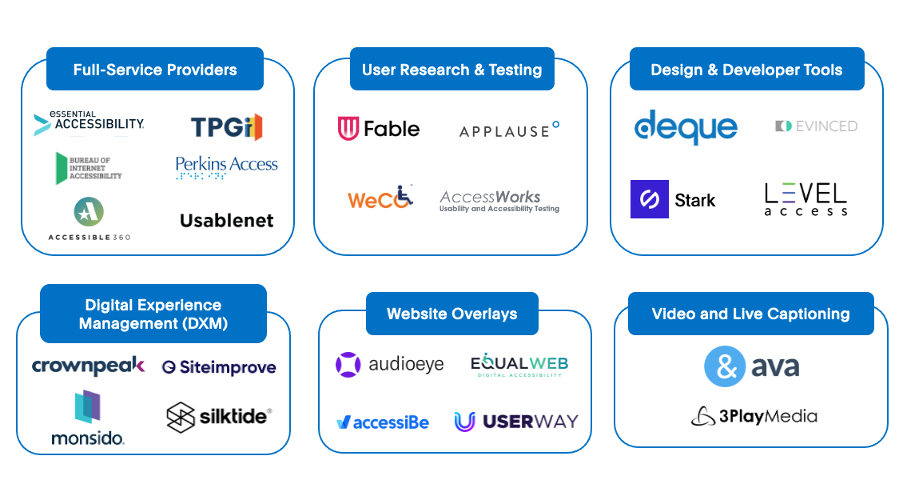
The market of digital accessibility vendors includes full-service providers, as well as vendors offering various kinds of point solutions.
Full-Service Providers
As the name implies, these vendors provide a suite of accessibility services often accompanied by software that performs automated scanning for accessibility issues and provides a reporting dashboard. Services offered include manual testing by real people with disabilities, design and development services, legal and risk management services, as well as certification and training.
User Research & Testing
User research and testing is a critical aspect of the design and development process and should include people with disabilities to ensure their perspectives and experiences are reflected in product decisions. Vendors in this category primarily focus on recruiting, and managing a diverse panel of people with disabilities who provide testing services, as well as product feedback during user interviews, product reviews, QA sessions etc. Fable is an example of a relatively new entrant that has gotten traction with Fortune 500 companies across industries.
Design & Developer Tools
Vendors in this category offer products such as SDKs, APIs, debuggers, as well as browser plugins that enable designers and developers to build accessible websites and mobile apps. Importantly, design & developer tools enable a “shift-left” paradigm, making it possible to incorporate automated digital accessibility tests into the design and development phase before a website or mobile app is launched. Designing and developing with accessibility in mind is critical as it circumvents the difficulties of trying to incorporate accessibility retroactively. Most tools available today are focused on developers, but Stark recently emerged to provide accessibility tools for designers. Meanwhile, in the developer tools category, Evinced provides a new approach by combining computer vision with traditional code analysis to catch more accessibility issues at the source.
Digital Experience Management (DXM)
Digital Experience Management is an established category of vendors that develop products used to create, as well as test websites for issues with accessibility, content, ads, SEO, privacy, and availability/uptime just to name a few. Vendors in this category seek to provide a one-stop shop for all digital experience needs and typically provide a suite of products including accessibility testing. Accessibility functionality provided by DXM vendors includes automated scanning against accessibility standards like the WCAG, recommended fixes and prioritization, reporting and analytics, as well as accessibility services.
Website Overlays
Website Overlay vendors typically offer an automated tool that continuously scans websites for issues that make the site non-compliant with WCAG standards. These tools will then attempt to automatically fix accessibility issues in the background as the webpage loads. Many website overlay vendors also provide an end-user facing widget that website visitors can access via an accessibility icon at the bottom of the page. Using the widget, website visitors can toggle on and off various functionality to customize the website to their needs.
Below are examples from three different vendors.
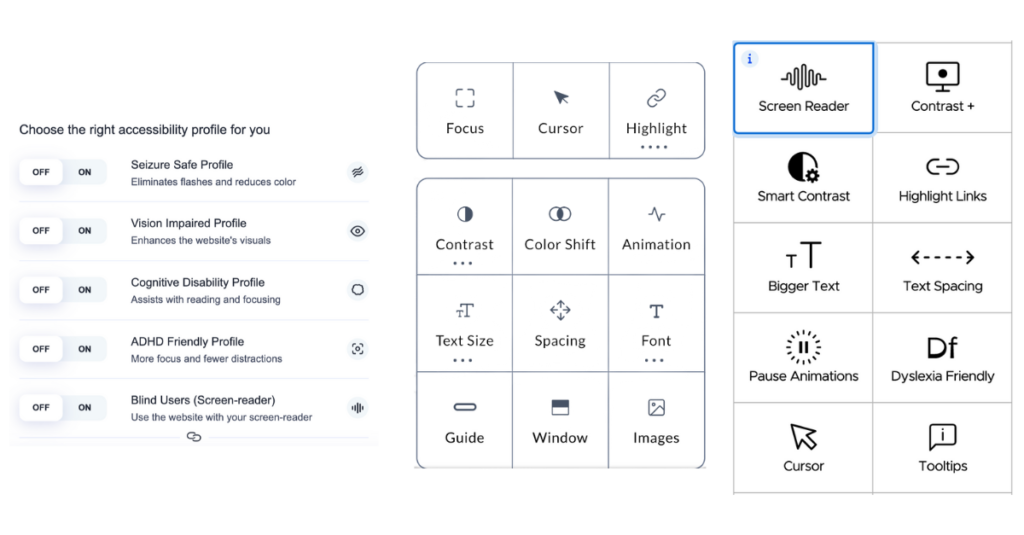
Source: accessiBe (left), AudioEye (middle), UserWay (right)
It is worth noting that overlays are not a silver bullet. Industry experts agree that website overlays can only detect a small percentage of the accessibility issues a user could encounter on a website. Many website overlay vendors offer add-on services such as access to accessibility experts and a QA team who review websites, perform manual audits and then remediate any remaining issues.
Video and Live Captioning
Digital accessibility also encompasses video, as well as virtual events and live conversations (e.g. video/conference calls). Videos can be made accessible through closed captioning, transcription, translation and subtitles, as well as audio descriptions (a form of narration that provides context on surrounding visual elements for the benefit of people with visual impairments). For live events, in-person conversations and video/conference calls, auto-captioning (along with a standby professional scribe) is an option that can be used to include people with hearing loss. 3Play Media is an experienced vendor providing services for videos and live events, while ava is focused on in-person conversations and video/conference calls.
What’s Next?
After two decades of flying under the radar, digital accessibility is finally starting to get the attention it deserves. Digital accessibility vendors, both old and new, are experiencing accelerated growth – and this is just the beginning.
As awareness of digital accessibility snowballs, the category will truly take-off as every website, every web and mobile application, and all digital media (images, video, audio, PDFs, etc.) will be adapted to conform with digital accessibility best practices.
I would love to hear from you if you are building software that will accelerate the web’s progress to a more accessible future. Please reach out to me at [email protected].
This is the final post in a 3-part series on digital accessibility. See Part 1 for an introduction to digital accessibility and why it is important, as well as Part 2 for an overview of how to get started with digital accessibility.